Clothing Sample Approval Checklist: What to Check Before Bulk Production
A practical clothing sample approval process for checking fit, measurements, fabric, construction, decoration, labels and wash results before bulk production.
Quick answer
A clothing sample should be approved as a traceable production version, not as a general impression. Match the sample to the current brief, record fabric and trim details, measure the garment against a point-of-measure chart, inspect construction and decoration, verify labels and packaging, and record any wash or wear result. Only release bulk production when the final sample, revision and acceptance points are written down and retained as the inspection reference.
Clothing sample approval is more than “looks good”
In a custom clothing or private-label project, sample approval is the decision gate between development and bulk production. A sample may look attractive and still be unusable as a production reference if its version, measurements, materials or decoration are not identified.
Before approving a sample, confirm five things:
- It is the current version, size and colour.
- The fabric, trims and colours match the brief.
- Measurements, fit and construction are within agreed tolerances.
- Printing, embroidery, labels, washing and packaging are confirmed.
- The approved sample and written record can be used for bulk inspection.
Identify the sample stage first
Each sample stage answers a different question. Do not treat an approved development sample as permission to cut bulk goods.
| Sample stage | What it confirms | Complete bulk reference? |
|---|---|---|
| Fabric or trim sample | Composition, hand feel, GSM, colour, zippers, buttons and cords | No, not by itself |
| Development or fit sample | Pattern, proportions, structure and overall appearance | Usually not yet |
| Size set | Grading logic and key measurements across sizes | Only with the size chart |
| Decoration or wash sample | Artwork, placement, embroidery, dyeing or wash result | Only for that process |
| Pre-production sample (PP sample) | Final combination of fabric, fit, construction, decoration and packing | Yes, when approved in writing |
Record the stage, size, colour, supplier, sample date and revision. This prevents different rounds from being treated as one “final sample”.
Eight checks for an apparel sample approval process
1. Sample identity and revision
Assign a simple identifier such as STYLE-024 / V3 / BLACK / M. Record the supplier, date, size, colour, tech-pack or pattern version and the changes made since the previous round. An unnumbered “final sample” can become a different sample in the next message thread.
A sample record should identify the exact garment, size, colour and revision under review.
2. Fabric and trims
Do not specify only “soft” or “premium”. Check fibre composition, target GSM, colour standard, shrinkage expectation, lining, rib, zipper, buttons, elastic and sewing thread. If the fabric is washed, brushed, coated or specially finished, record the process and the acceptable change in hand feel or shade.
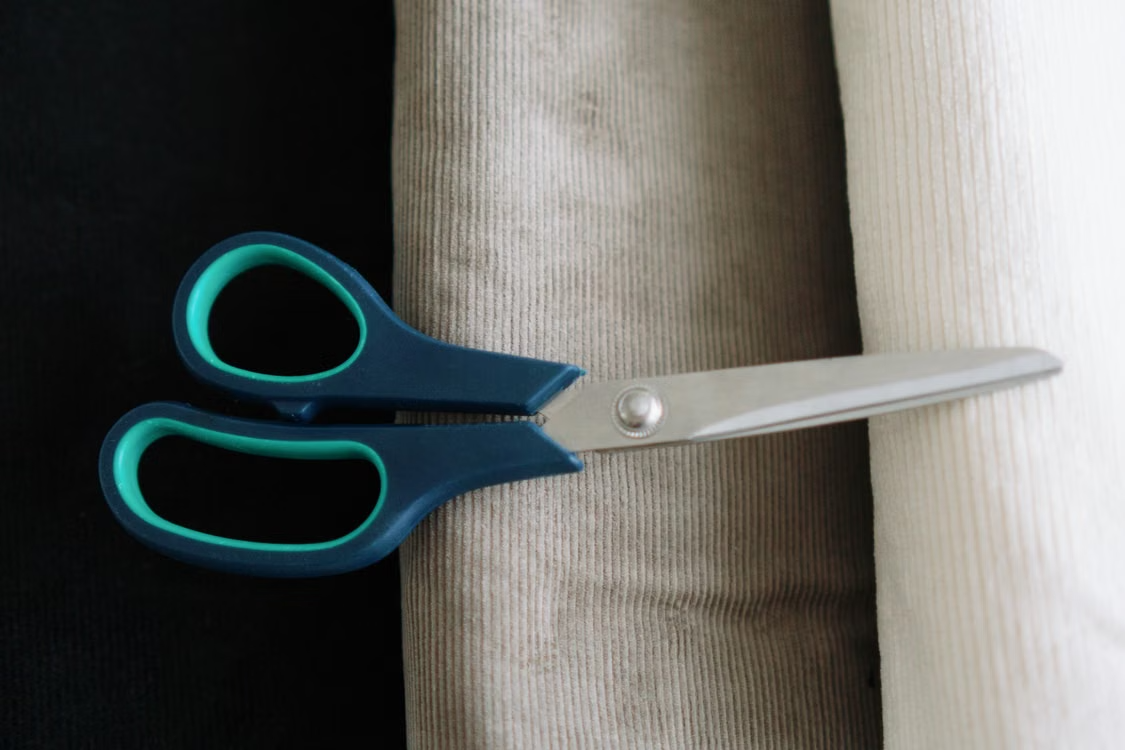
Fabric and trims should be checked against the current material brief, not only against a product photograph.
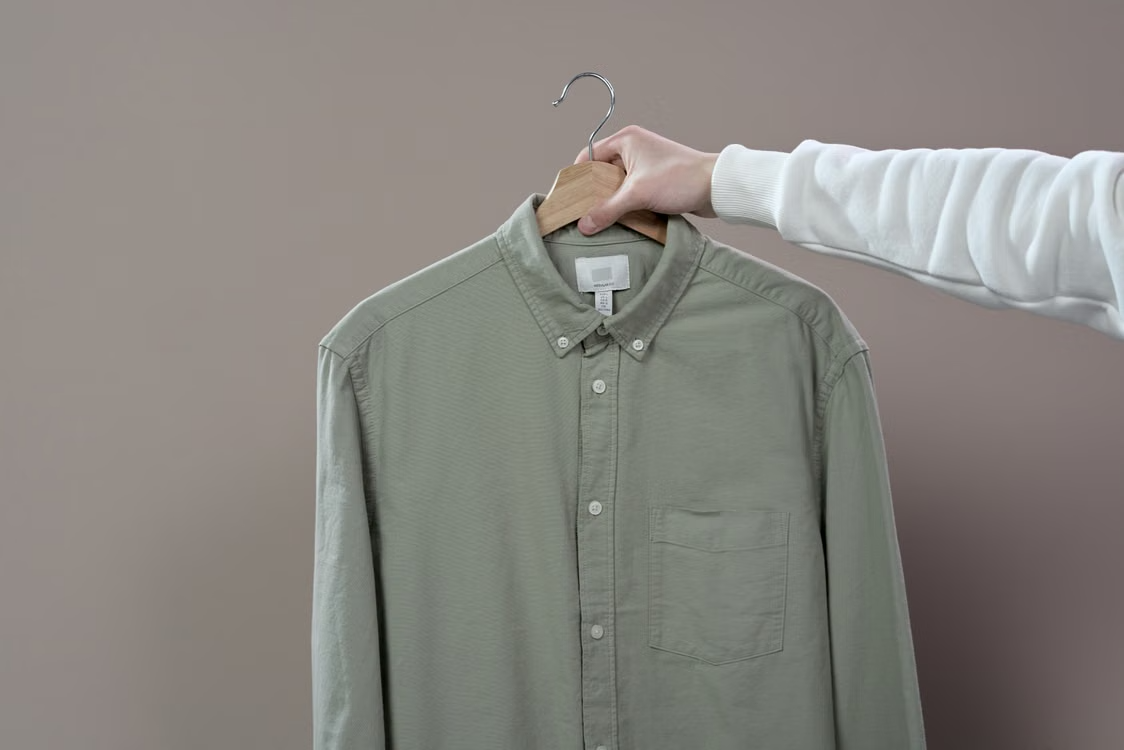
A sample record should identify the exact garment, size, colour and revision under review.
3. Measurements and fit
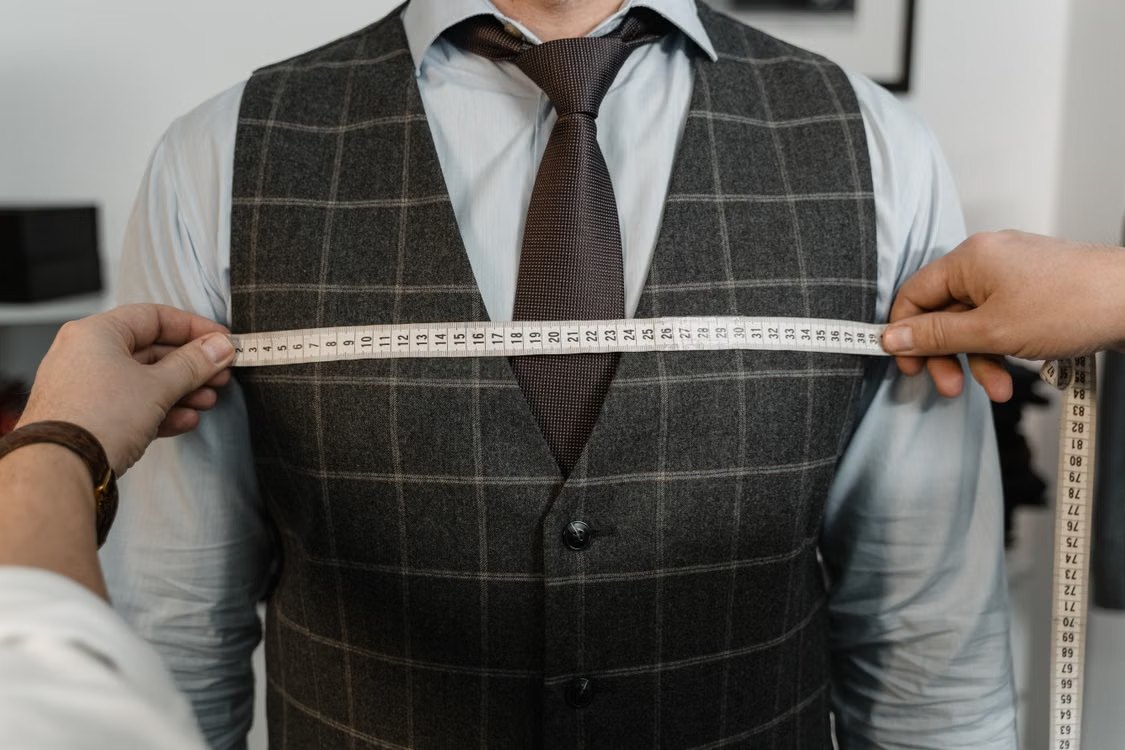
Lay the garment flat and use one point-of-measure diagram. Record chest, body length, shoulder, sleeve, waist, rise or other critical points, along with the measuring method and tolerance. “Fits well” is a useful observation, but it is not a production standard without numbers.
Use the same measurement method and point map for every sample round.
4. Construction and workmanship
Turn the garment inside out. Check seam allowances, overlock, stitch density, skipped stitches, loose threads, reinforcement points and stress areas. Test zippers, buttons, buttonholes, pockets, plackets, collars and cuffs. Inspect the areas that will be repeatedly pulled or washed, not only the front photograph.
5. Print, embroidery and decoration
Compare artwork file, position, dimensions, colour, edge quality and durability. Describe placement with measurable references such as “8 cm from the neckline” rather than “move it slightly higher”. Save any wash, rub or adhesion test conditions with the sample record.
6. Colour and appearance
Review the sample in stable daylight and artificial light. Compare the main fabric, trims, print and thread. Record shade variation, panel mismatch, marks, pressure lines or oil stains. Dark and fluorescent colours need a written plan for lot-to-lot variation.
7. Labels, packaging and market information
Check main label, size label, fibre-content label, care label, origin information, barcode, hangtag and polybag artwork. Requirements depend on the destination market and product, so confirm the target market before approving label artwork or bulk packaging.
8. Wear, wash and recheck
Have the intended size tried on and record shoulder, chest, armhole, waist, rise, movement and opacity. If the garment will be washed or dry-cleaned, test the sample with the intended care method and remeasure key points. Define acceptable shrinkage, shade change and appearance before production.
Use four clear decisions
End every review with one status:
- Approved: move to the next stage and retain the sample as the reference.
- Approved with conditions: continue only with named conditions, owners and dates.
- Revision required: make the specified changes and submit the required sample again.
- On hold: do not release production while a key document, test or decision is missing.
Avoid “basically fine”, “use the previous one” or “start first and adjust later”. Write each correction as an observable target, such as “front graphic centre 8 cm below neckline, tolerance ±0.3 cm”, rather than “move the graphic up a little”.
What belongs in the approval record?
Keep these items together:
- style, version, size, colour, supplier and date;
- material and trim list, with colour-card or component references;
- key measurements, tolerances and measurement method;
- construction, decoration, label, packing and test requirements;
- front, back, inside and detail photographs;
- each correction, owner, due date and recheck result;
- final approver, approval date and the physical reference sample.
Add a ruler, colour card or version card to photographs where possible. Use filenames that include the style and revision, so remote teams can identify the sample without relying on memory.
The final release check
Before cutting bulk goods, confirm that the factory has the approved fabric, pattern, decoration file, label artwork and packing version. Confirm which physical sample the inspector will use. If any of those items is still “to be confirmed”, the sample is not yet a complete production standard.
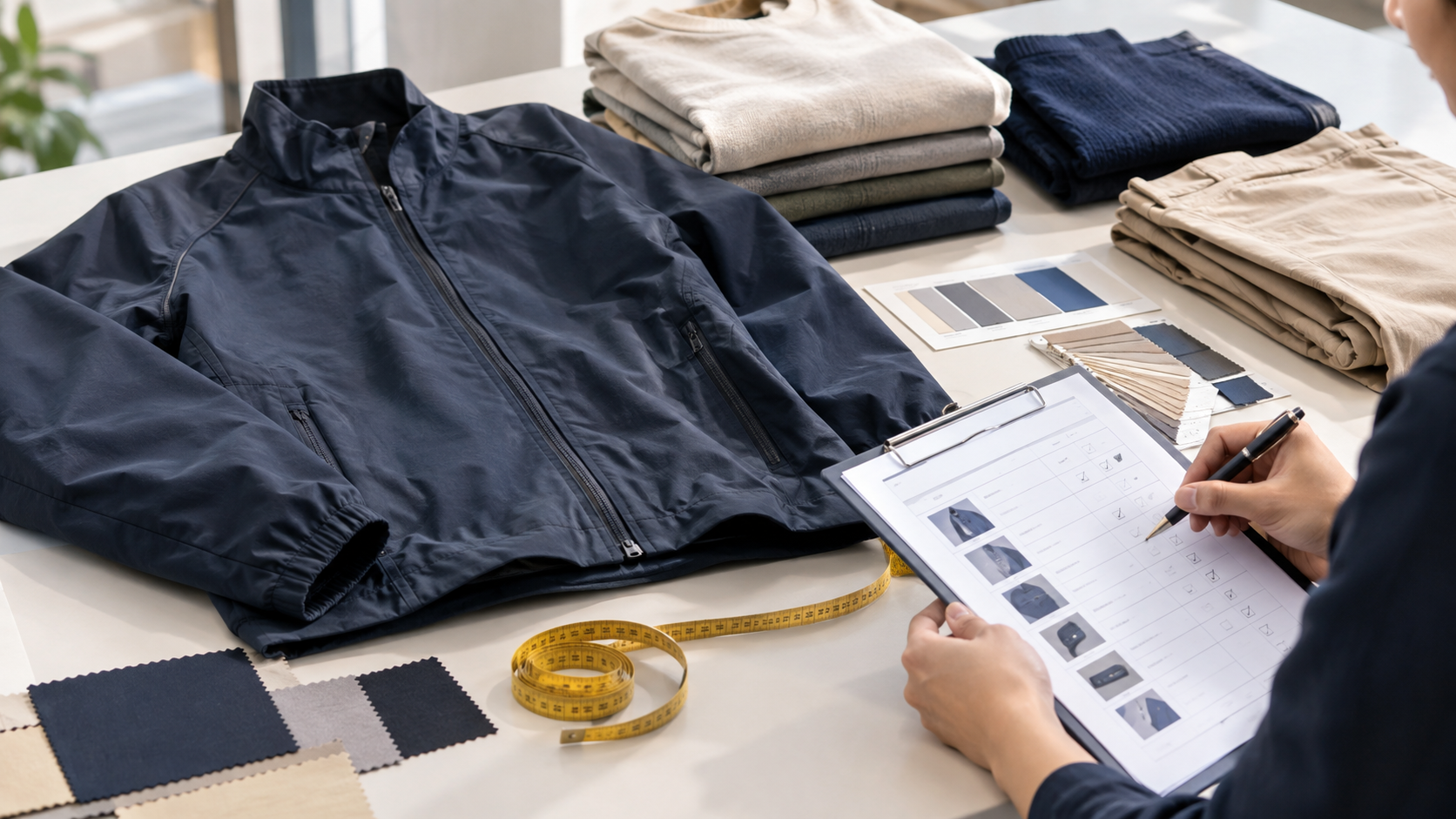
The final release review should connect the physical sample with the checklist and material references.
For remote sourcing, send the sample identifier, measurement chart, photos and open items to the sourcing or quality-inspection team. A clear sample approval process links development, purchasing and bulk inspection in one record.
Conclusion
A useful clothing sample approval checklist does not remove every production risk. It makes each important decision traceable to a physical sample, a number and a written status. Identify the stage, check fabric, measurements, construction, decoration, colour, labels and care performance, then release bulk production only against a named reference.
If you are preparing a first garment sample, gather the style reference, measurement chart, fabric requirements, target quantity and delivery date before requesting the next round. A clearer brief produces a more comparable sample and a safer production decision.
You can also review our product specification sheet guide, private-label and white-label comparison and quality inspection service before sending a sourcing request.
Frequently asked questions
What is a clothing sample approval checklist?
It is a written list used to compare a garment sample with the current product brief before bulk production. It normally covers sample identity, fabric and trims, measurements, fit, construction, decoration, labels, packaging and required wash or wear checks.
Which sample should be approved before bulk production?
The pre-production sample (often called a PP sample) should represent the approved fabric, fit, construction, decoration and finishing. Earlier development, fit or trim samples prove individual decisions but should not be treated as the complete bulk reference unless the scope is explicitly limited.
How do I record clothing sample changes?
Give every sample a style, round, size, colour and revision identifier. List each change as a measurable target, assign an owner and date, then approve, reject or hold the sample in writing. Keep the approved garment and its record together for production inspection.
Should a clothing sample be washed before approval?
If the finished garment will be washed or dry-cleaned, test the sample using the intended care method and record the conditions. Measure key points before and after the test, then agree the acceptable shrinkage, colour change and appearance before bulk production.