How to Buy from 1688 as an Overseas Buyer (2026 Guide)
A practical 1688 buying workflow for overseas businesses: listings, supplier checks, payment, samples, receiving, inspection, consolidation and export.
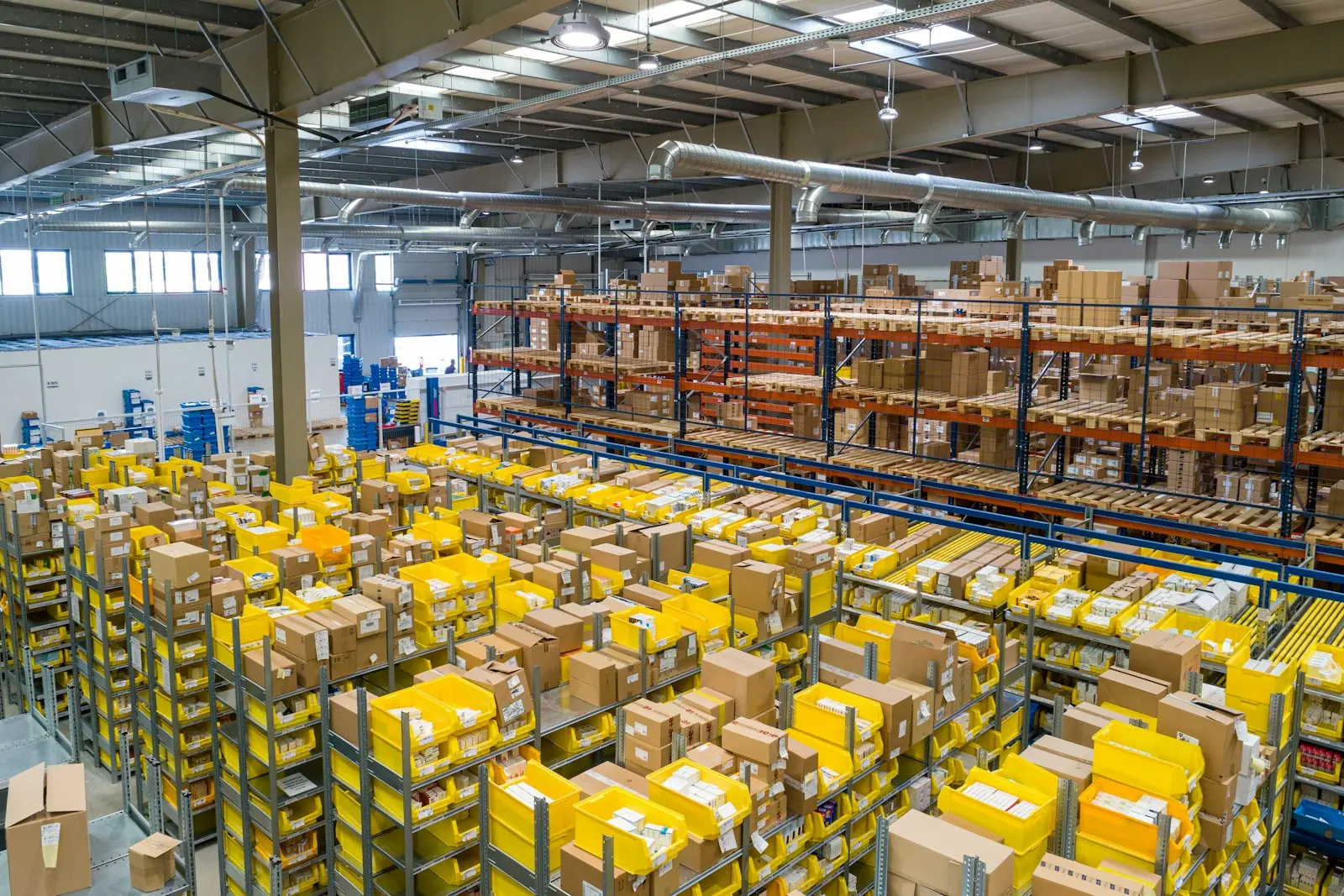
Quick answer
1688.com is Alibaba Group's domestic Chinese wholesale platform. Overseas buyers may use different payment or checkout routes depending on their account, listing and destination, but the order still needs a clear owner for supplier communication, receiving, inspection and export. Compare landed cost, never unit price, and confirm current platform terms before paying.
If you’ve compared Alibaba and 1688 for the same product, the useful question is not a universal percentage difference. It is which costs, payment steps, domestic delivery, export work and responsibilities are included in each option.
This guide explains how 1688 really works, walks through the practical ways foreign buyers order from it, and is honest about where each approach tends to fall apart.
This is the execution guide for buyers who have already decided to evaluate 1688. If you are still choosing between Alibaba, 1688 and Taobao, start with our platform comparison first.
What 1688 actually is
1688.com is Alibaba Group’s domestic wholesale platform — built for Chinese businesses buying from Chinese factories and wholesalers. Same parent company as Alibaba.com, very different assumptions:
| Alibaba.com | 1688.com | |
|---|---|---|
| Built for | International buyers | Chinese domestic trade |
| Language | English | Mandarin only |
| Prices | Export prices (support costs baked in) | Domestic wholesale prices |
| MOQ | Supplier and product dependent | Supplier and product dependent; often lower |
| Payment | International methods vary by account and order | Domestic and selected cross-border routes; confirm at checkout |
| Shipping | International routes commonly offered; confirm destination | Domestic receiving or an eligible cross-border route; confirm before payment |
| English support | Yes | Rare |
The price gap isn’t a guaranteed saving. Alibaba listings may bundle more sales support, payment and export handling, while a 1688 listing may leave more of that work to the buyer. Compare the scope attached to each quote before comparing the number.
The gap you are actually crossing
It helps to be concrete about what has to happen between a 1688 seller’s warehouse and your own, because every one of these steps is work that the domestic price does not contain:
- Communication in Mandarin, including specification and any negotiation.
- Domestic payment from an account the seller can accept.
- Domestic delivery to a Chinese address that will receive the goods.
- Receiving and checking — confirming what arrived matches what was ordered.
- Consolidation, if more than one seller is involved.
- Repacking into cartons that survive international freight.
- Export documentation, which the seller does not produce.
- International freight, customs and delivery at your end.
Buying from 1688 is not a cheaper checkout. It is the same purchase with eight jobs unbundled from it, and every one of them still has an owner.
The three approaches below are really just three answers to the question of who owns those eight steps.
The three ways foreign buyers order from 1688
1. Fully DIY
Translate pages with your browser, chat with suppliers through translation apps, pay through a cross-border Alipay setup, and route parcels to a freight forwarder’s Chinese warehouse.
Where it works: small, simple, low-stakes orders — testing samples, unbranded accessories and products where a mistake does not threaten a critical launch or material cash exposure.
Where it breaks: machine translation handles “how much” fine, but not “the zipper tape needs to be YKK #5, dyed to match Pantone 19-4052”. Specification details, defect claims and deadline pressure all tend to get lost. And if goods arrive wrong, dispute resolution runs in Mandarin, under domestic-trade rules, with a seller who never expected an overseas customer.
2. Official cross-border checkout
1688 has been adding cross-border features that let some overseas buyers pay by card and ship abroad on selected listings.
Where it works: listings enrolled in the program, standard products, buyers comfortable with limited recourse.
Where it breaks: coverage is partial, seller communication is still Mandarin, and there’s no one checking what goes into the box before it ships to you.
3. Through a sourcing agent
An approved agent may coordinate seller communication, domestic payment, receiving, inspection and export hand-off. The legal entity, receiving location, evidence, handling scope and export responsibility must be confirmed before goods are sent.
Where it works: multi-supplier orders, customised products, anything where quality or timing actually matters.
Where it breaks: an agent adds a service cost and a new contractual relationship. Ask for the fee basis, included checks, payee, receiving location, export responsibility and what happens if the supplier or shipment fails. A small order may not justify the service cost.
The five problems that catch first-time 1688 buyers
- Listings aren’t always factories. Many 1688 storefronts are trading companies or wholesalers. Fine for stock goods; a problem when you need customisation or accountability. Check the seller’s business licence and years on platform — or have someone do it who reads Mandarin.
- Domestic quality expectations. Some goods sold cheaply for the domestic market wouldn’t pass your market’s labelling, safety or durability expectations. The listing won’t warn you.
- No export paperwork. 1688 sellers ship to a Chinese address and issue domestic invoices. Someone still has to produce commercial invoices, packing lists and customs declarations for export — that’s your forwarder or agent, not the seller. (Consolidating several sellers’ parcels into one export shipment is exactly what our freight service does.)
- Freight surprises. A “cheap” 1688 price can flip once you add domestic courier legs, repacking flimsy cartons and international freight on low volumes. Always compare landed cost, not unit price — our sea vs air vs express guide walks through the maths.
- Sizing and specs. Apparel sizing runs on Chinese charts, electrical goods on Chinese voltage/plugs, labels in Mandarin. Every one of these is fixable — if someone catches it before the goods ship.
Specifying a product across a language barrier
Most 1688 disputes are not dishonesty. They are a description that meant one thing to you and another to the seller, discovered after production.
The defence is to write specifications out of things that do not depend on language:
- Measurements with tolerances, not “standard size”.
- Material composition and weight, not “good quality fabric”.
- Colour references such as Pantone codes, not colour names.
- Component brands and models where they matter — zips, fasteners, chips, cells.
- Labelled photographs, with arrows and numbers on the specific features you care about.
- An approved physical sample, retained by both sides, as the final authority.
A specification survives translation in proportion to how few adjectives it contains.
Then confirm understanding by asking the seller to restate the specification back, rather than asking whether they understand it. “Yes” translates perfectly and means nothing.
Before anything ships: the evidence to ask for
Whoever is running the order, the same short list prevents most bad surprises:
- Photographs of the actual goods produced, not the listing photos.
- A carton count, dimensions and weights, which you need for any freight quote anyway.
- Photographs of labels and packaging, where your market has requirements.
- Confirmation that goods from all sellers arrived and were checked before consolidation.
- The export document set, and confirmation of which entity is exporting.
Every one of these is easy to produce if things went well, and difficult if they did not — which is exactly what makes the list useful.
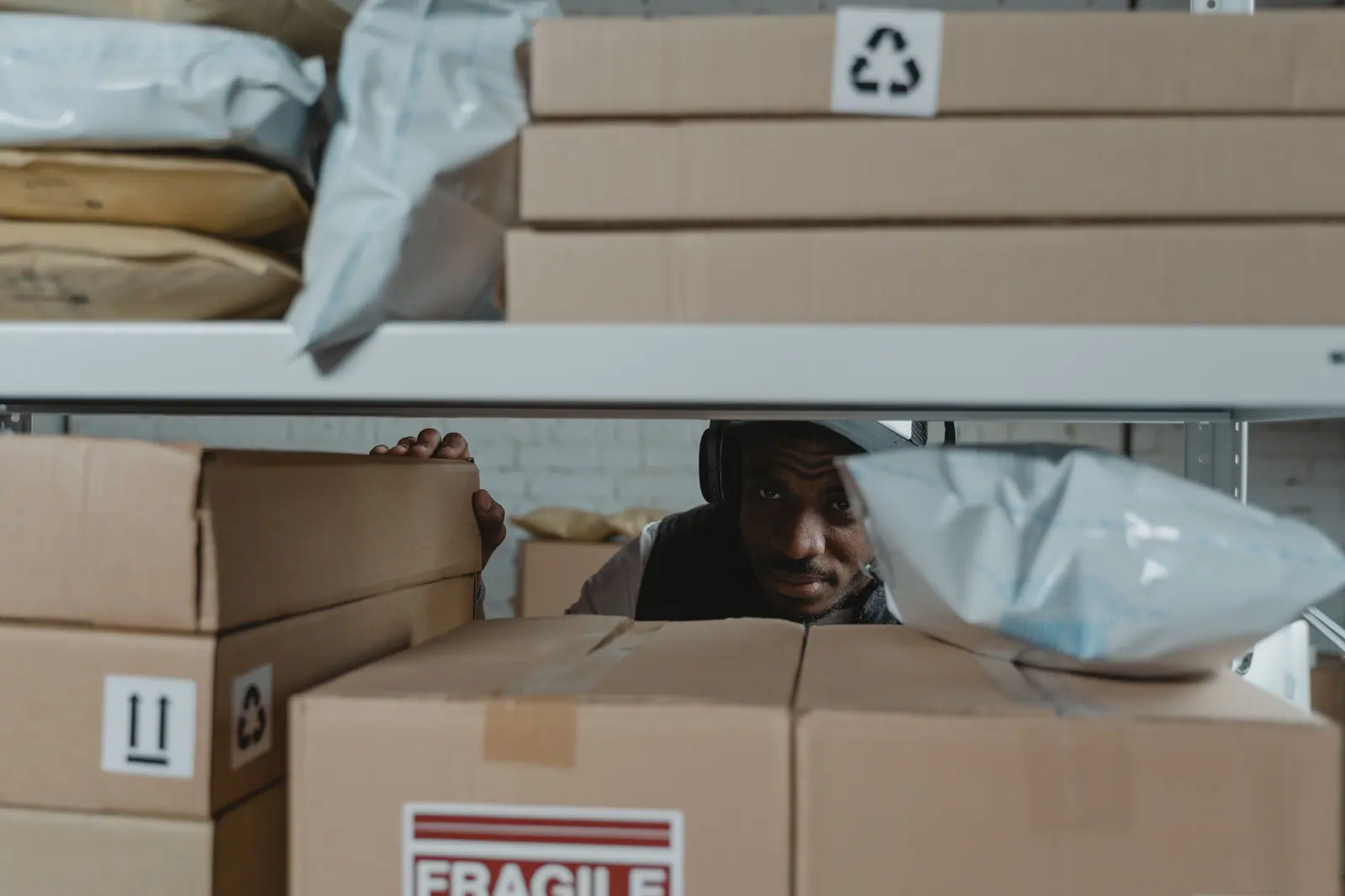
Building up the real cost
Unit price is the beginning of the calculation. To compare against an Alibaba quote, or against your current supplier, build the stack:
| Layer | What sits here |
|---|---|
| Unit price × quantity | The 1688 listing figure |
| Domestic delivery | Seller to the receiving address, per seller |
| Receiving and checking | Handling, and inspection if used |
| Consolidation and repacking | Export-grade cartons, palletising if required |
| Storage | If goods wait for other sellers or a sailing |
| Export documents | Declaration and document handling |
| International freight | Per your mode and route |
| Duties and destination charges | At your end, per your tariff classification |
Compare that total against the alternative. Sometimes the gap holds comfortably; sometimes it closes entirely on low volumes, where fixed costs are spread across too few units.
For a useful comparison, record the same assumptions for every supplier: quantity, product price, domestic delivery, receiving and inspection, consolidation, export documents, freight, duties and destination charges. Then divide the total by the sellable quantity. That landed unit cost is the number to compare with an Alibaba quote or an existing supplier.
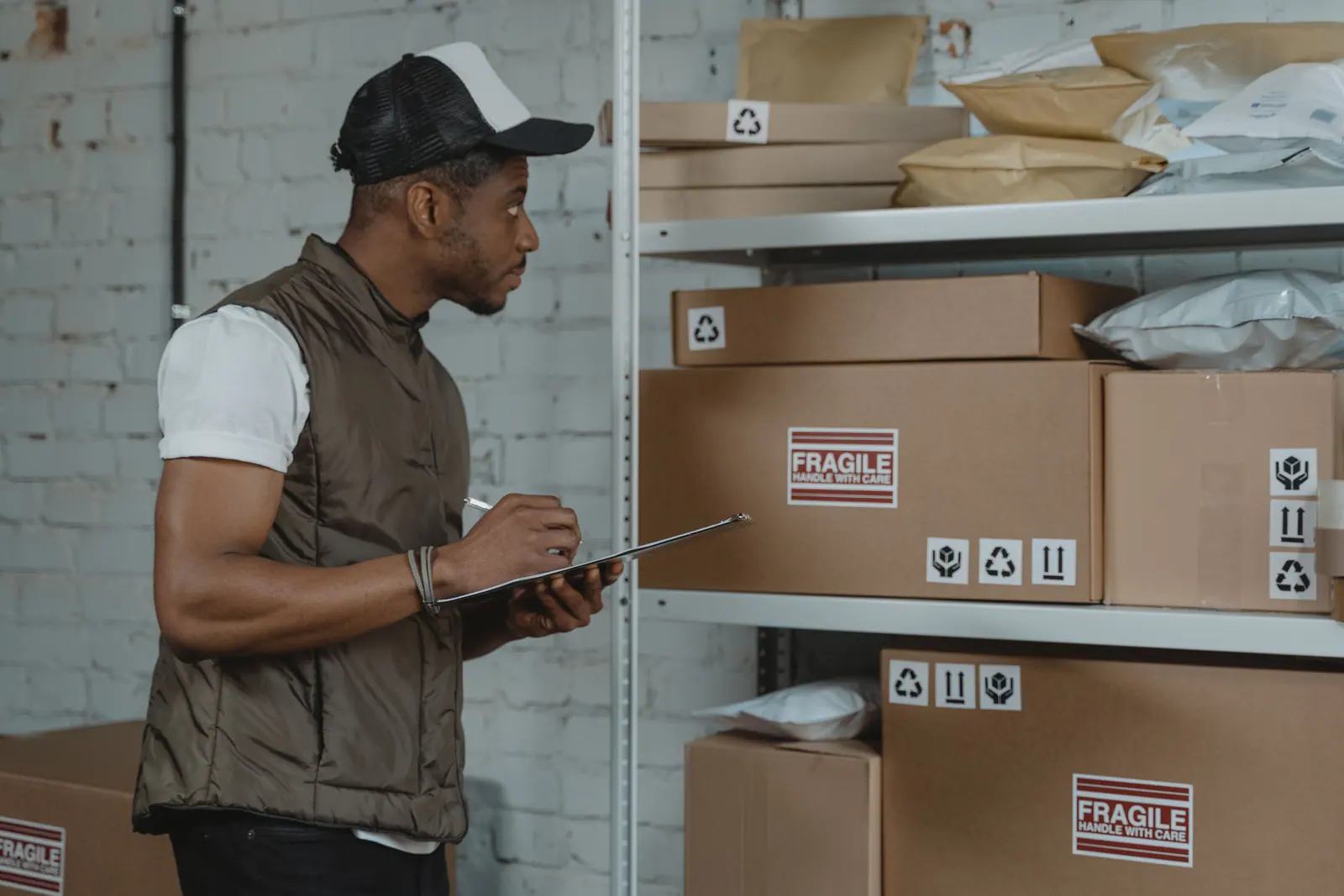
Paying, and who you are actually paying
The payment step is where the most expensive mistakes on 1688 happen, because it is the one part of the process that cannot be undone by argument.
Two things are worth settling before any money moves. The first is who the payee is. A payment to a company account matching the business licence on the listing is a transaction with a paper trail. A payment to a personal account is a favour, and it is the single most common feature of orders that later have no recourse. This holds whether you are paying directly, through an agent, or through a friend in China — if the name on the receiving account does not match the entity you believe you are buying from, stop and ask why.
The second is what the payment is buying at that moment. Domestic wholesale often runs on full payment up front, which is normal in a domestic context where the buyer can visit the warehouse and the courier arrives tomorrow. It is a materially different proposition when the goods are destined for a container and the buyer is on another continent. Where the order is large enough to justify it, stage the payment against evidence — production photographs, a completed check, goods received at the consolidation address — rather than against promises.
Do not assume that an overseas buyer receives the same protection or dispute path as an Alibaba.com order. Confirm the current terms for your account and route. Whatever the platform offers, reduce exposure by releasing money against evidence you can actually see: the supplier identity, approved specification, production photos and checked goods.
If an agent is paying on your behalf, the same questions apply one level up: which entity receives your funds, what happens to them between your account and the supplier’s, and what evidence you receive that the supplier was actually paid.

A realistic decision rule
- Small, simple product and limited exposure → DIY may be a reasonable learning path.
- Standard product on a cross-border-enabled listing → the official checkout may work if payment, shipping and recourse fit your needs.
- Multiple suppliers, customisation or a fixed launch requirement → compare an approved sourcing and freight scope against the work you can manage yourself.
Whichever route you take: get specifications in writing, ask for photos of the actual goods (not the listing photos) before shipment, and never wire deposits to a personal bank account. Still weighing up which platform fits your business at all? Start with 1688 vs Taobao vs Alibaba.
Sources & verification
These references support the platform, payment and cross-border context in this guide. Platform features and eligibility can change, so confirm the current terms on the linked source before placing an order.
- Alibaba Group: About Alibaba — group and marketplace background.
- 1688 official website — current domestic marketplace experience and seller listings.
- WorldFirst Global — current cross-border payment service information and availability.
Image sources
- Warehouse worker inspecting supplier parcels by Tima Miroshnichenko, Pexels.
- Warehouse worker checking cartons by Tima Miroshnichenko, Pexels.
- Inspector recording carton details by RDNE Stock project, Pexels.
Sourcing from 1688 and want a structured review? Send the listing links, quantities, specification and destination through the sourcing request. Ask for the landed-cost assumptions and service scope in writing.
Frequently asked questions
Can I buy from 1688 without a Chinese bank account?
Sometimes, depending on the account, listing, destination and available payment route. Check the current checkout terms and remember that payment access does not replace supplier verification, receiving, inspection or export planning.
Why is 1688 cheaper than Alibaba.com for the same product?
The gap is not a trick. Alibaba listings carry the cost of English-speaking sales staff, international payment processing and export handling. 1688 sellers skip all of it because they are selling to Chinese businesses — which is exactly why buying from them takes more work on your side.
Do 1688 sellers ship internationally?
Do not assume that a listing includes international delivery. Confirm the route, destination, export entity and document responsibility before paying. Many orders still need a Chinese receiving address, a forwarder or an agent, plus a separate export document set.
Is every 1688 listing a factory?
No. Many 1688 storefronts are trading companies or wholesalers. That is fine for stock goods and a problem when you need customisation or accountability. Check the seller's business licence and years on platform, or have someone who reads Mandarin check it for you.
Will domestic packaging survive international freight?
Often not. Domestic cartons are built for a short courier trip, not for stacking in a container across an ocean. Assume goods from several sellers will need consolidating and repacking into export-grade cartons, and treat that as a planned cost rather than a surprise.
How do I specify a product when I do not speak Mandarin?
Replace adjectives with things that survive translation: measurements with tolerances, material composition, Pantone references, labelled photographs and an approved physical sample. A specification built from numbers and images is far harder to misread than one built from descriptions.